









How to Use 3D Wall Panels Around a Fireplace


Fireplaces naturally become the focal point of a room. When paired with 3D wall panels, they create depth, architectural interest, and a high-end finish that feels intentional rather than decorative.
However, installing wall panels around a heat source requires thoughtful planning — especially when using paintable or 3D laminate (3DL) wall panels. In this guide, we’ll walk through how to safely use decorative wall panels around a fireplace, the importance of heat barriers, and key temperature considerations to protect your investment.
Why 3D Wall Panels Work Beautifully Around Fireplaces
A fireplace surround is one of the most effective places to incorporate fluted wall panels, reeded wall panels, or other dimensional wall paneling.
Benefits of Using Wall Paneling Around a Fireplace
-
Creates vertical emphasis and height
-
Adds texture without heavy stone mass
-
Softens modern linear fireplaces
-
Provides a clean, tailored architectural look
-
Works in both residential and commercial interiors
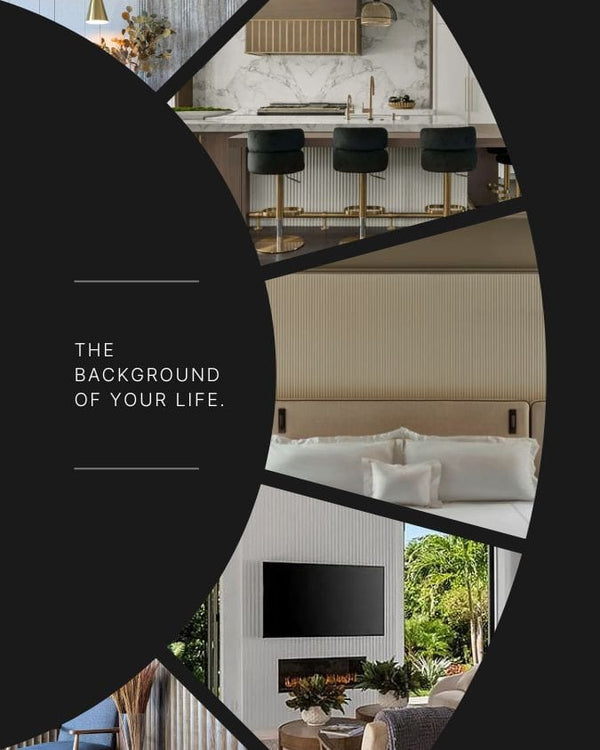
In the image above, vertical fluted wall panels frame a modern fireplace insert. The subtle depth adds dimension while maintaining a clean, minimalist aesthetic.
Critical Safety Consideration: Heat Protection
When installing decorative wall panels near a fireplace, heat management is not optional — it is essential.
Understanding 3D Laminate (3DL) Heat Limits
3D laminate wall panels have a maximum recommended exposure temperature of:
130°F (54°C)
If panels are exposed to temperatures above 130°F, they may be at risk of:
-
Surface distortion
-
Adhesive failure
-
Delamination
-
Warping
This is not a structural failure of the panel core, but rather a performance limitation of the 3D laminate finish itself.
For this reason, panels should never be installed directly against a high-heat source without protection.
Why You Need a Heat Barrier
A non-combustible barrier between the fireplace opening and the wall paneling helps:
-
Deflect radiant heat
-
Maintain safe surface temperatures
-
Extend the life of the panels
-
Meet general best practices for fireplace installations
Recommended Barrier Materials
Common heat barrier options include:
-
Tile (porcelain or ceramic)
-
Natural stone
-
Engineered stone
-
Metal trim or framing
-
Cement board substrate behind finish material
In the example image, the fireplace insert is framed with a non-combustible material before transitioning to fluted wall panels. This creates a visually seamless look while protecting the paneling from direct heat exposure.
How to Properly Design a Fireplace With 3D Wall Panels
Step 1: Review Fireplace Specifications
Before installation, review:
-
Manufacturer clearance requirements
-
Maximum surface temperatures around the surround
-
Venting type (direct vent, ventless, electric, etc.)
⚠️ Surface temperatures vary by fireplace model. Always verify with the fireplace manufacturer.
Step 2: Incorporate a Transition Zone
Instead of running panels directly into the firebox opening, design a transition frame using:
-
Tile surround
-
Stone inset
-
Minimalist metal trim border
This protects the panels while preserving the architectural look.
Step 3: Maintain Safe Distances
Maintain adequate spacing between:
-
The firebox opening
-
Heat vents
-
Any direct radiant heat path
The goal is to ensure panel surfaces remain under 130°F during operation.
Step 4: Test Surface Temperatures
After installation:
-
Run the fireplace at full operating temperature.
-
Use an infrared thermometer.
-
Measure the panel surface temperature closest to the heat source.
If the surface exceeds 130°F, additional protection or spacing adjustments are necessary.
Best Fireplace Types for 3D Wall Panels
While each installation must be evaluated individually, the following generally present lower heat risk:
-
Electric fireplaces
-
Direct vent gas fireplaces with controlled heat output
Wood-burning fireplaces and high-output gas units require more aggressive clearance planning.
Design Ideas: Modern Fireplace With Fluted Wall Panels
Using vertical wall paneling around a fireplace works especially well in:
-
Organic modern interiors
-
Transitional living rooms
-
Boutique hotel environments
-
Contemporary commercial lobbies
Fluted or reeded wall panels bring movement and shadow play, particularly when paired with:
-
Matte black fireplace inserts
-
Neutral paint tones
-
Warm wood flooring
-
Minimalist lighting fixtures
The result is a clean, architectural feature wall that elevates the entire room.
What Not to Do
To protect your wall panels:
-
Do not install directly inside the firebox surround without a barrier
-
Do not ignore manufacturer clearance requirements
-
Do not assume all fireplaces operate at the same surface temperature
-
Do not expose 3DL finishes to sustained temperatures above 130°F
Proper planning prevents costly replacement.
Final Thoughts: Beauty + Performance
3D wall panels can absolutely be used around a fireplace — and when done correctly, the result is striking.
The key is thoughtful detailing:
-
Incorporate a non-combustible heat barrier
-
Respect temperature limitations of 3D laminate
-
Verify surface temperatures
-
Follow fireplace manufacturer specifications
With those safeguards in place, decorative wall panels can transform a standard fireplace into a refined architectural statement.
Questions? Contact us!