










Do 3D Wall Panels Help with Acoustics? Understanding Diffusion vs. Absorption in Commercial Spaces


Do 3D Wall Panels Help with Acoustics?
Acoustics are a critical consideration in commercial design, but they’re often misunderstood.
A common question from architects and designers is:
Do 3D wall panels actually improve sound performance?
The answer is nuanced.
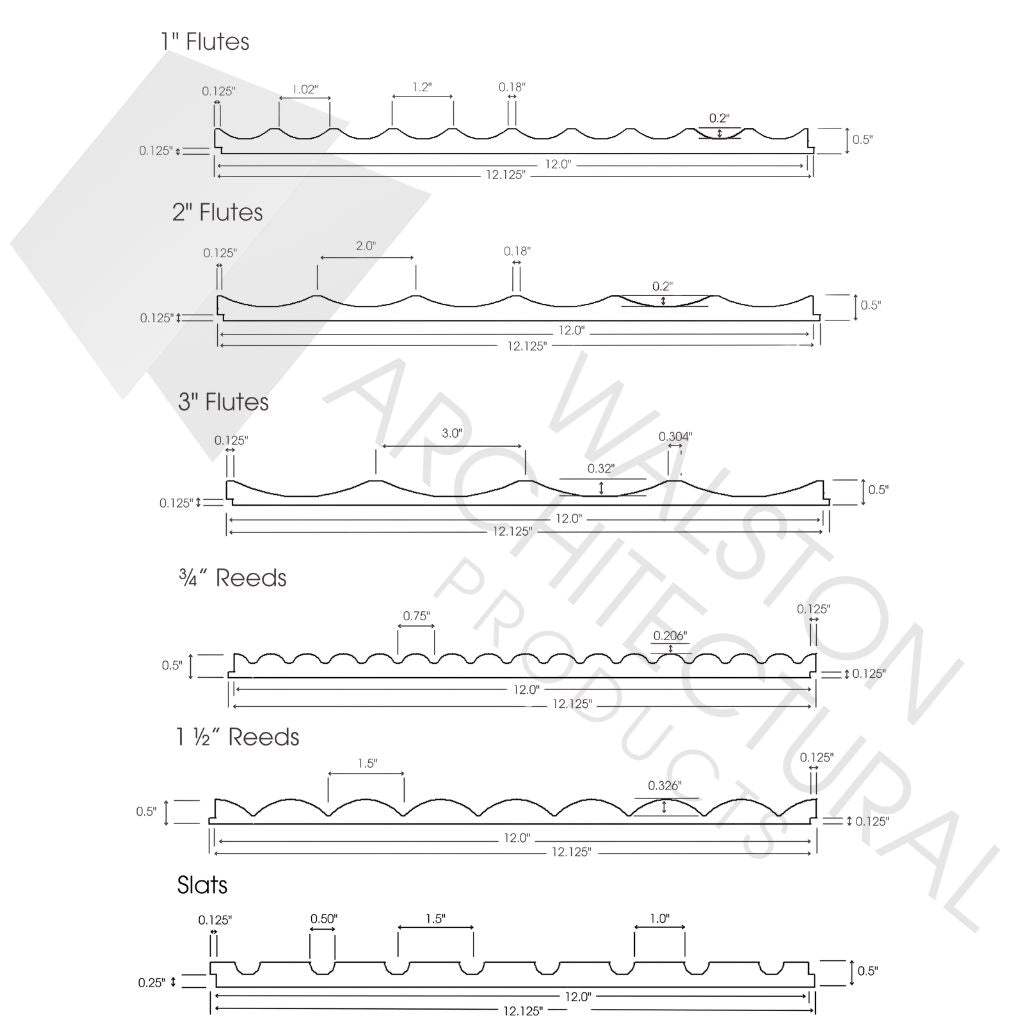
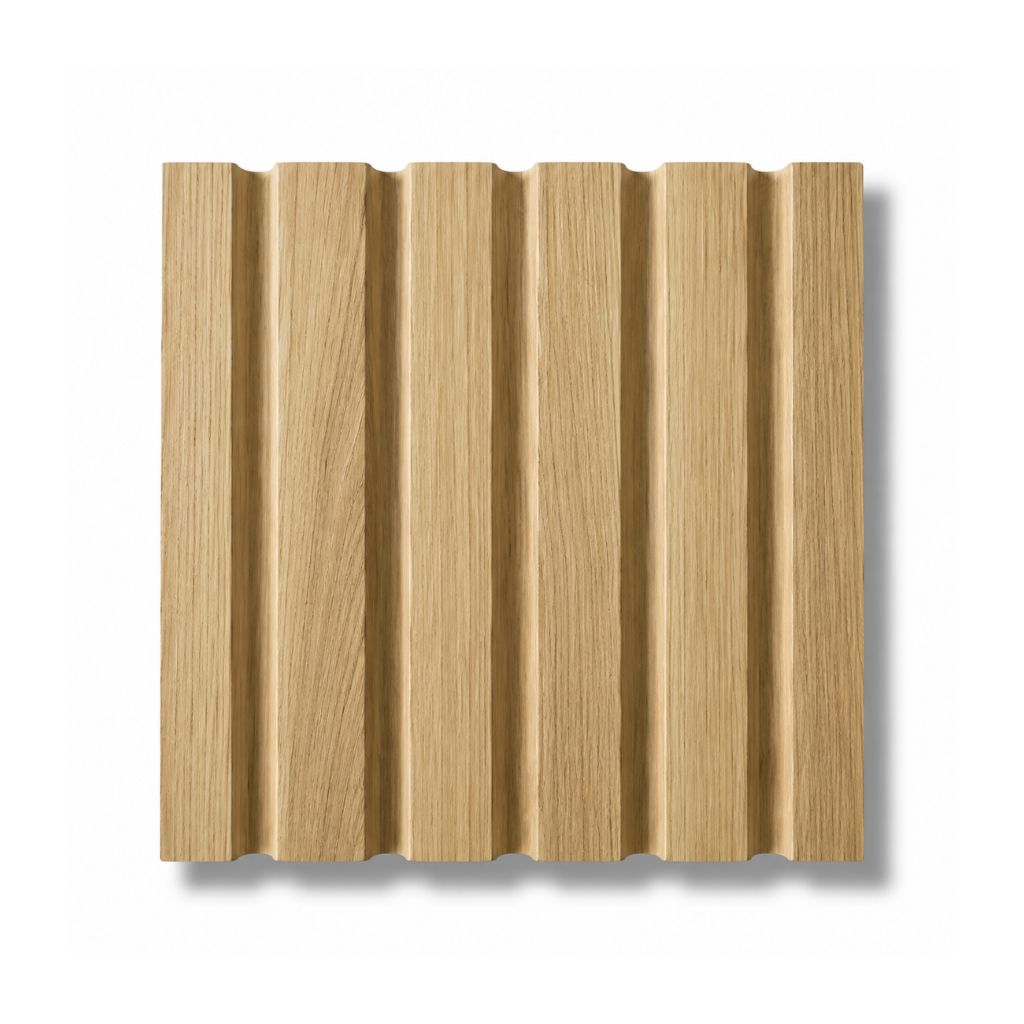
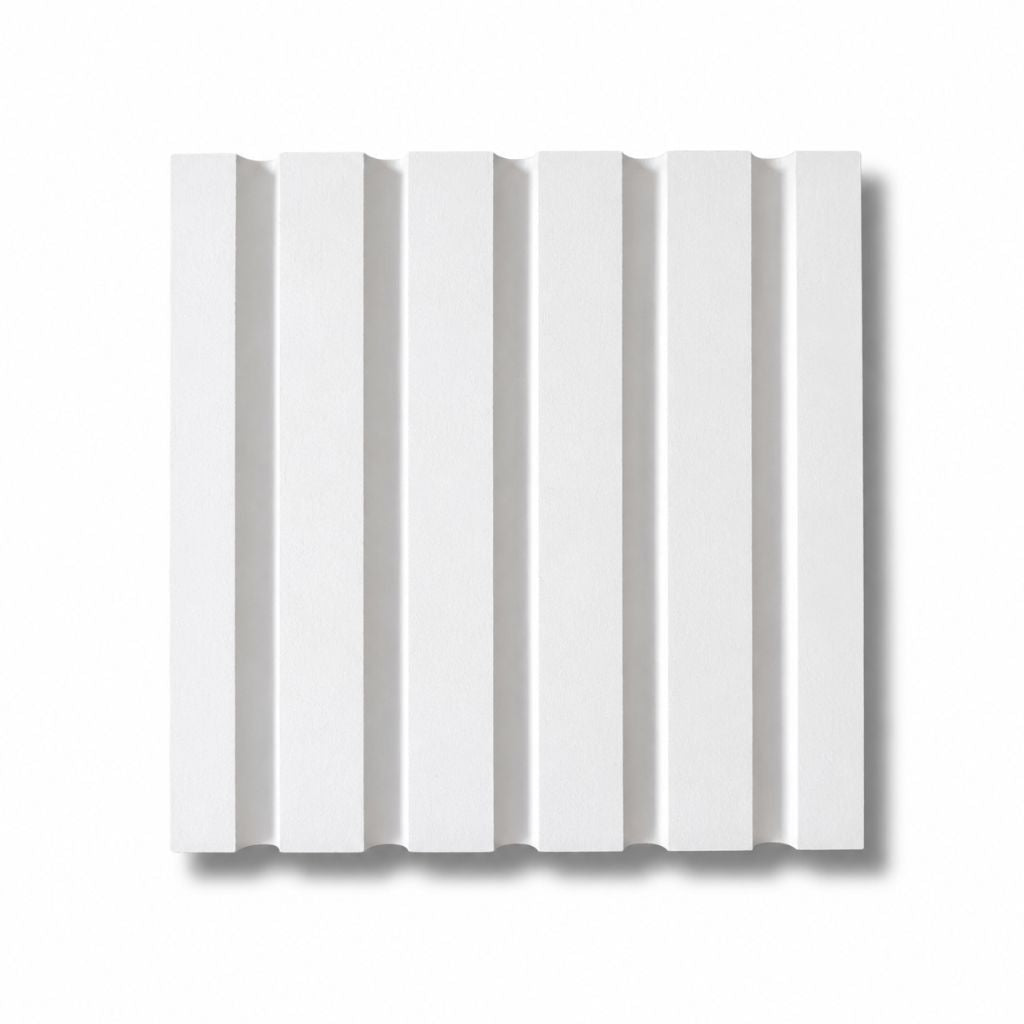
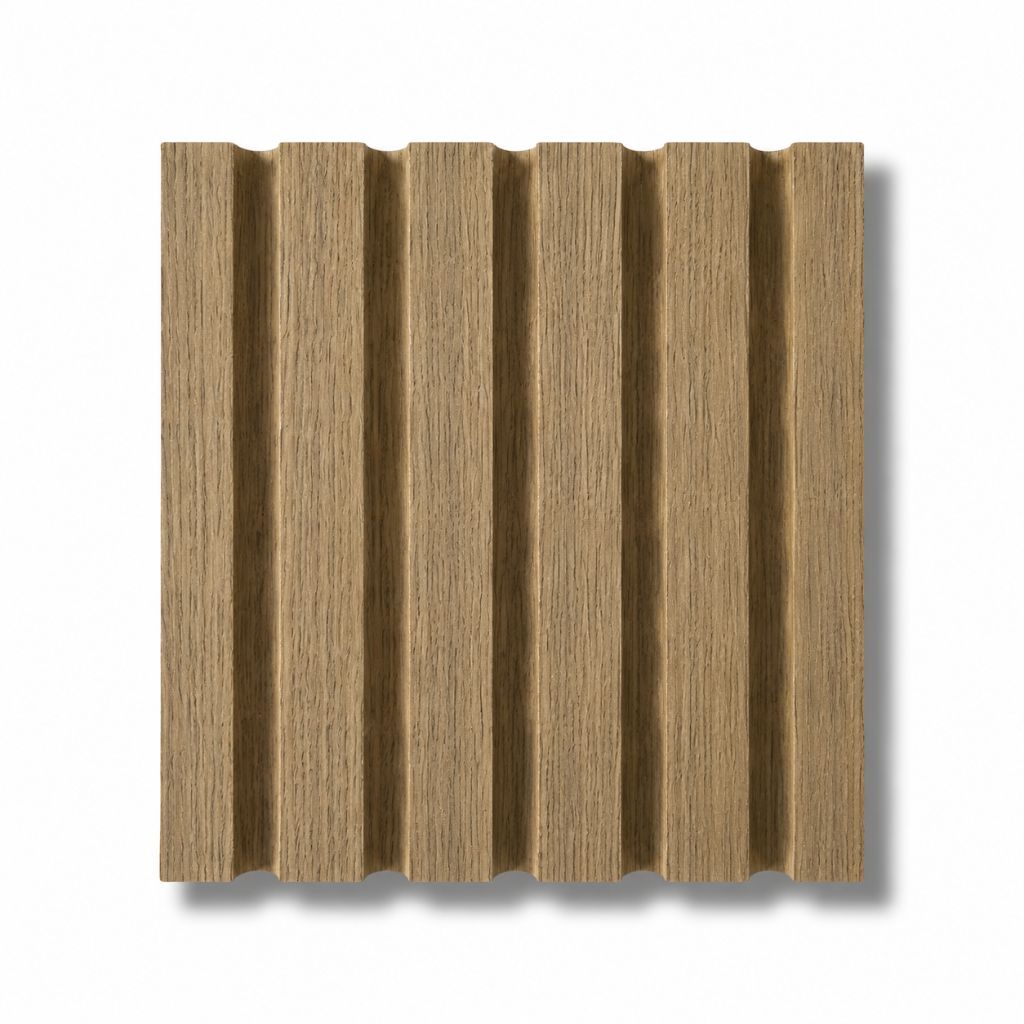
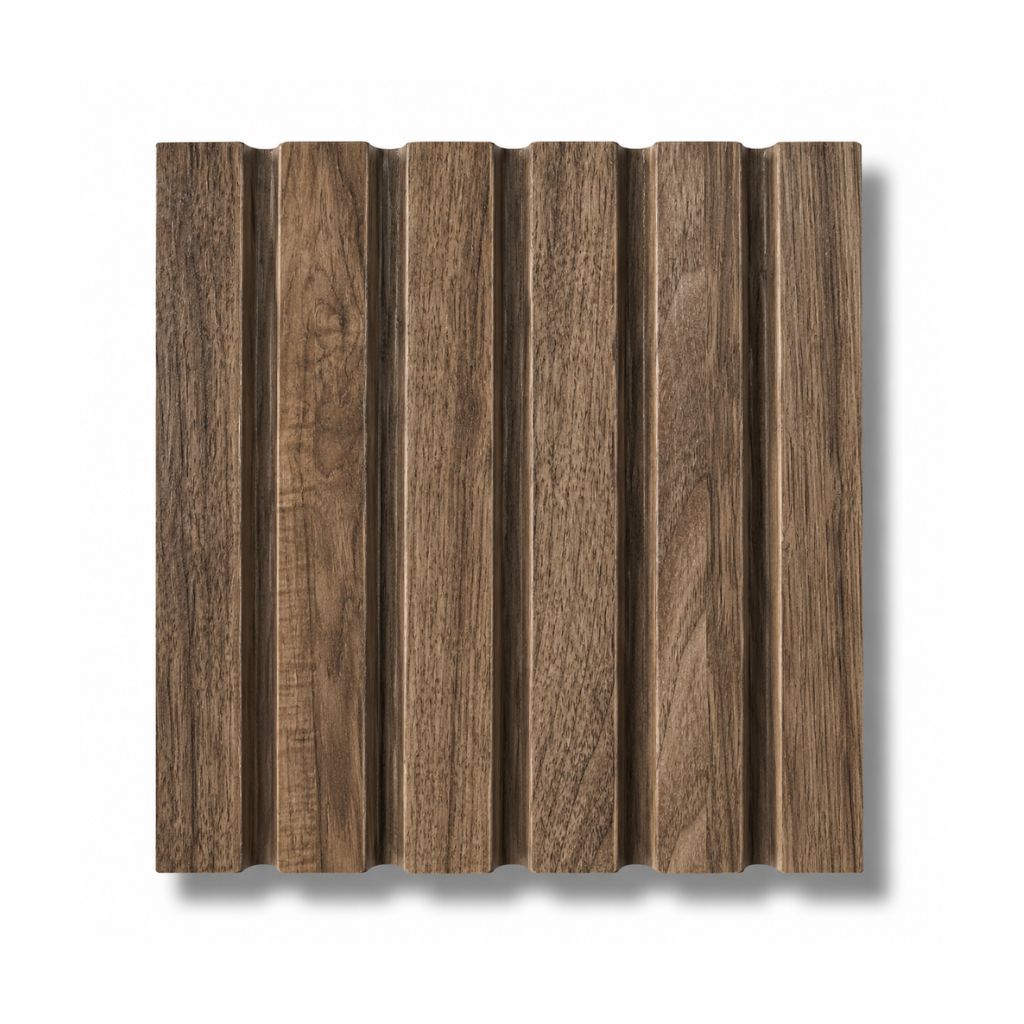
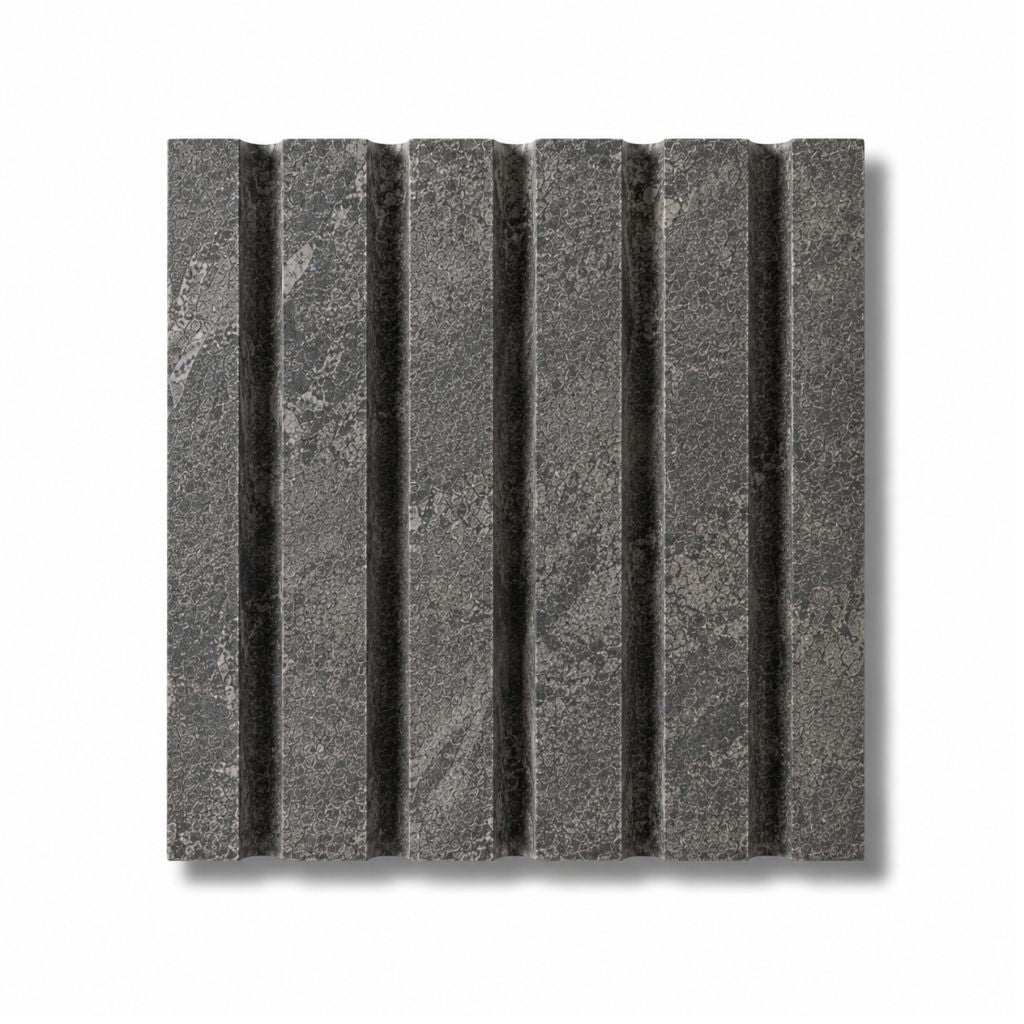
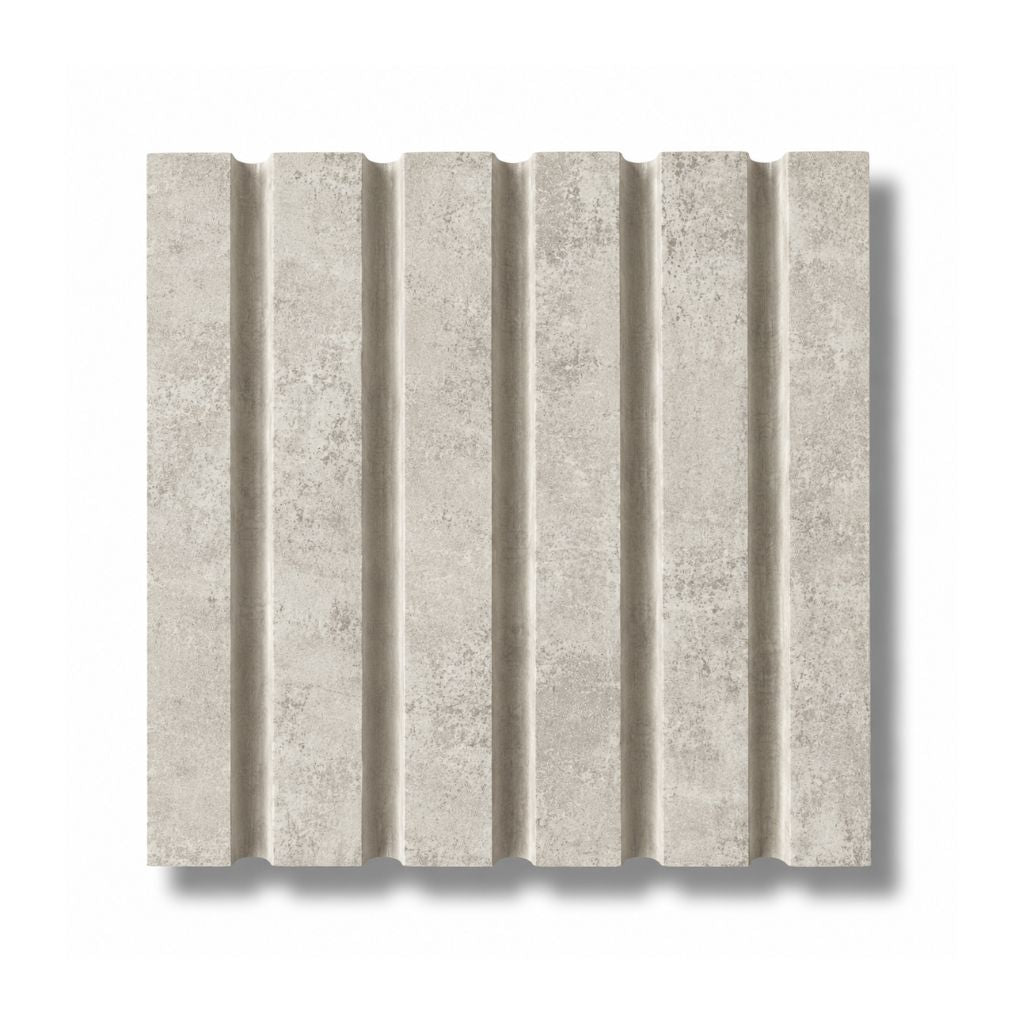
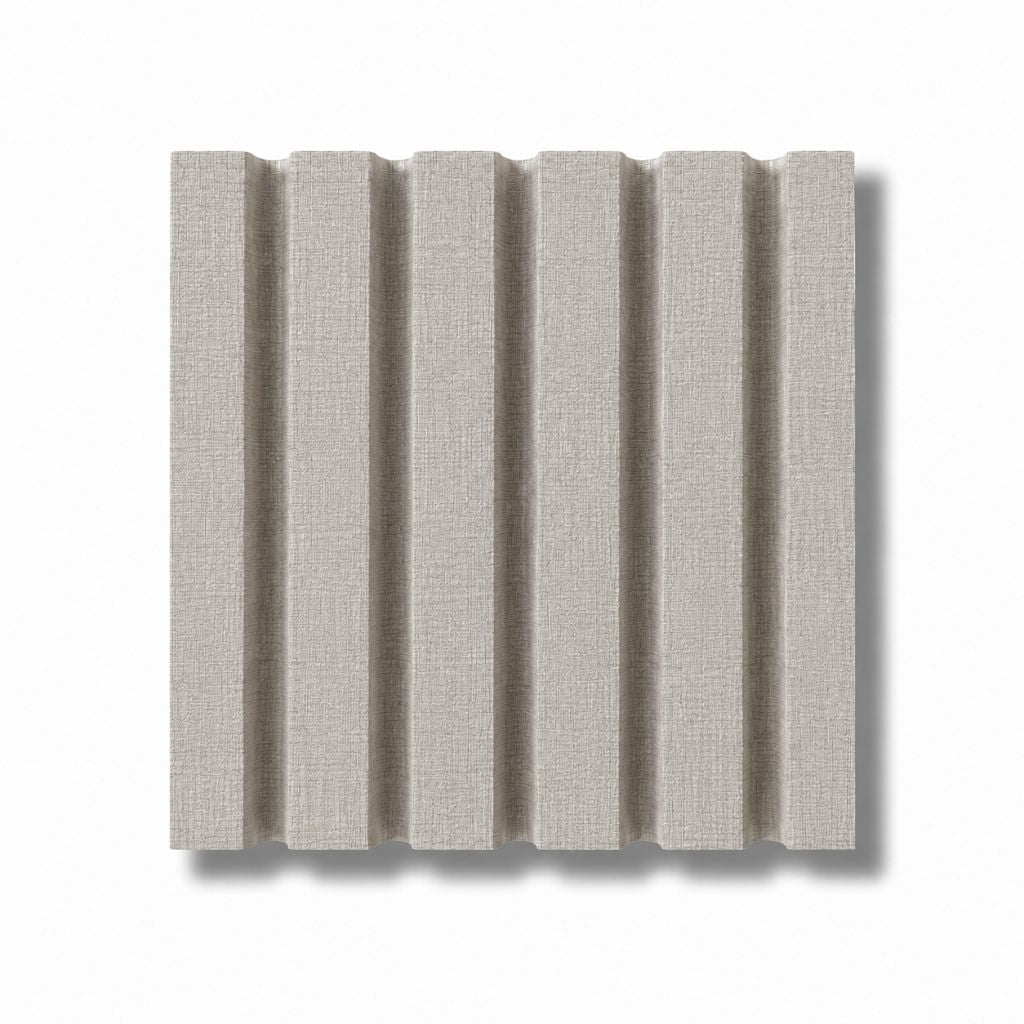
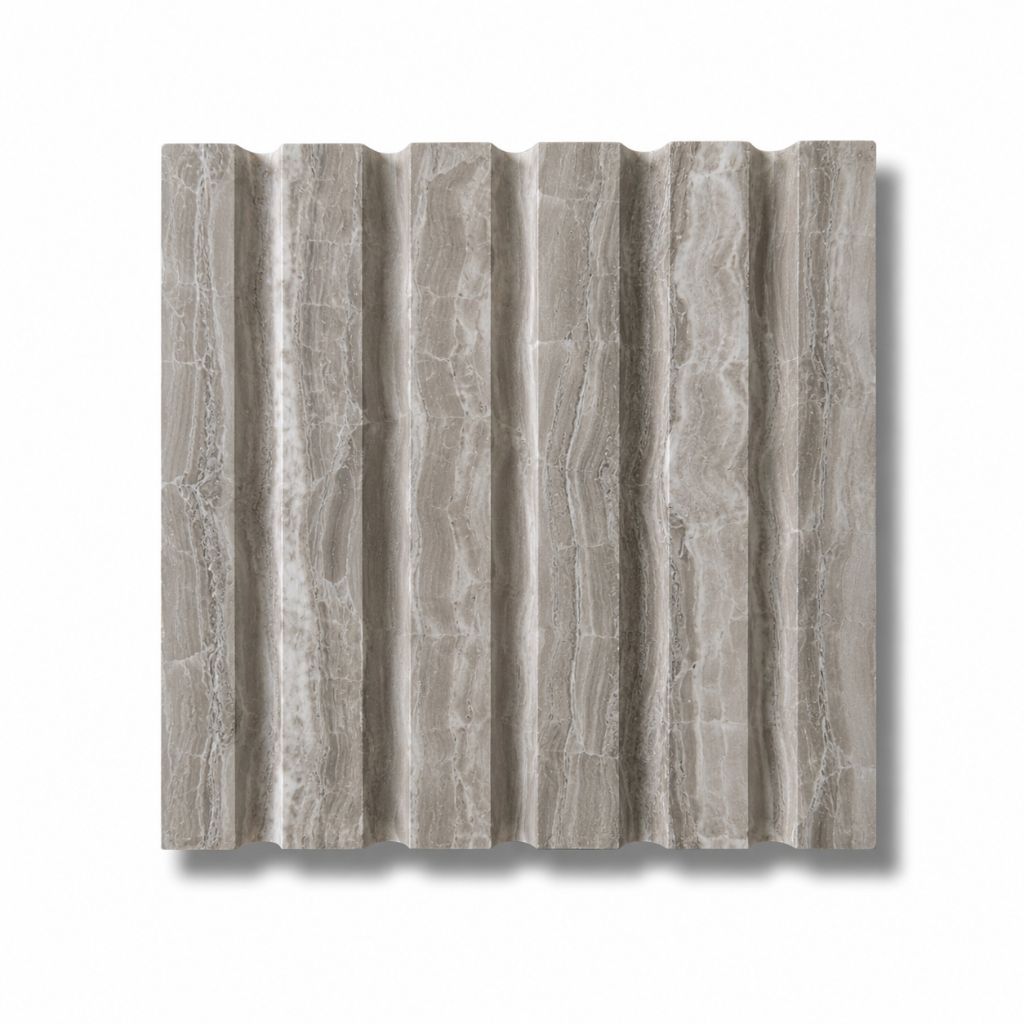
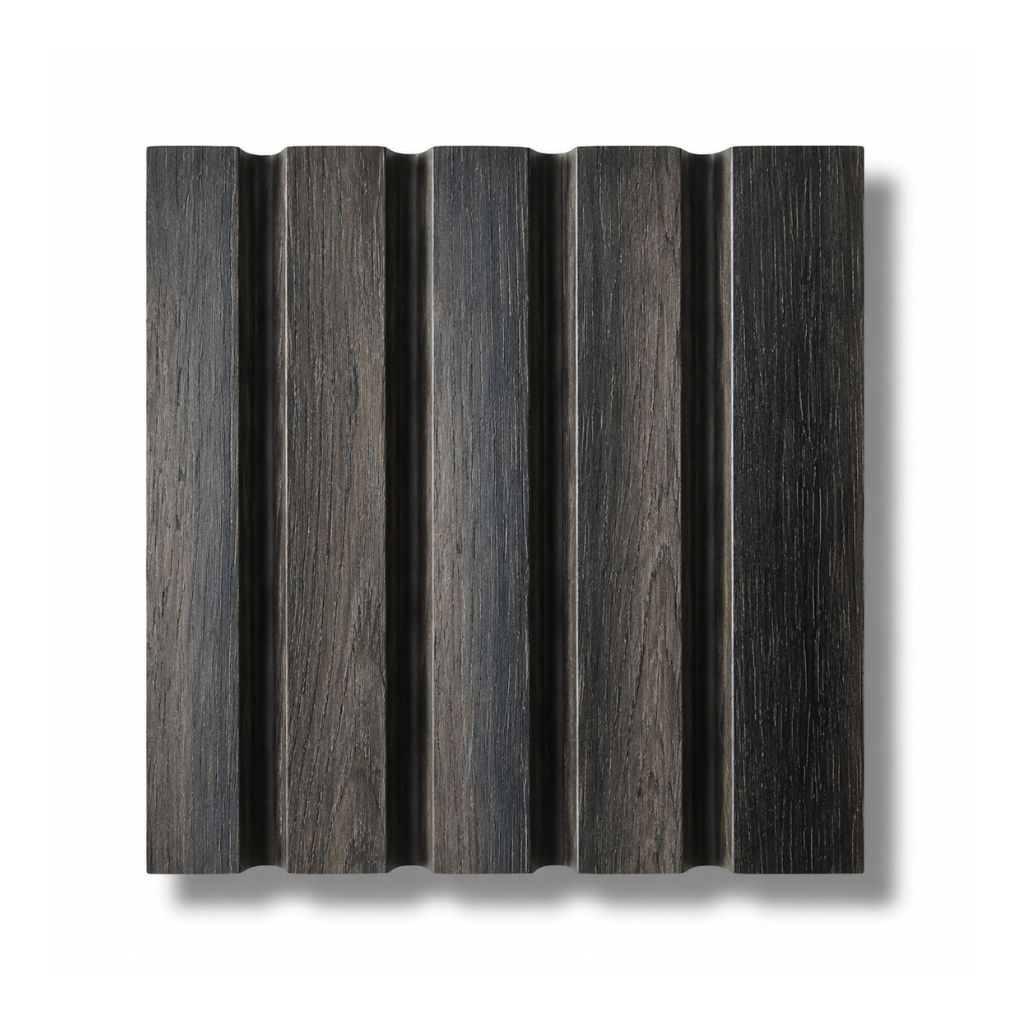
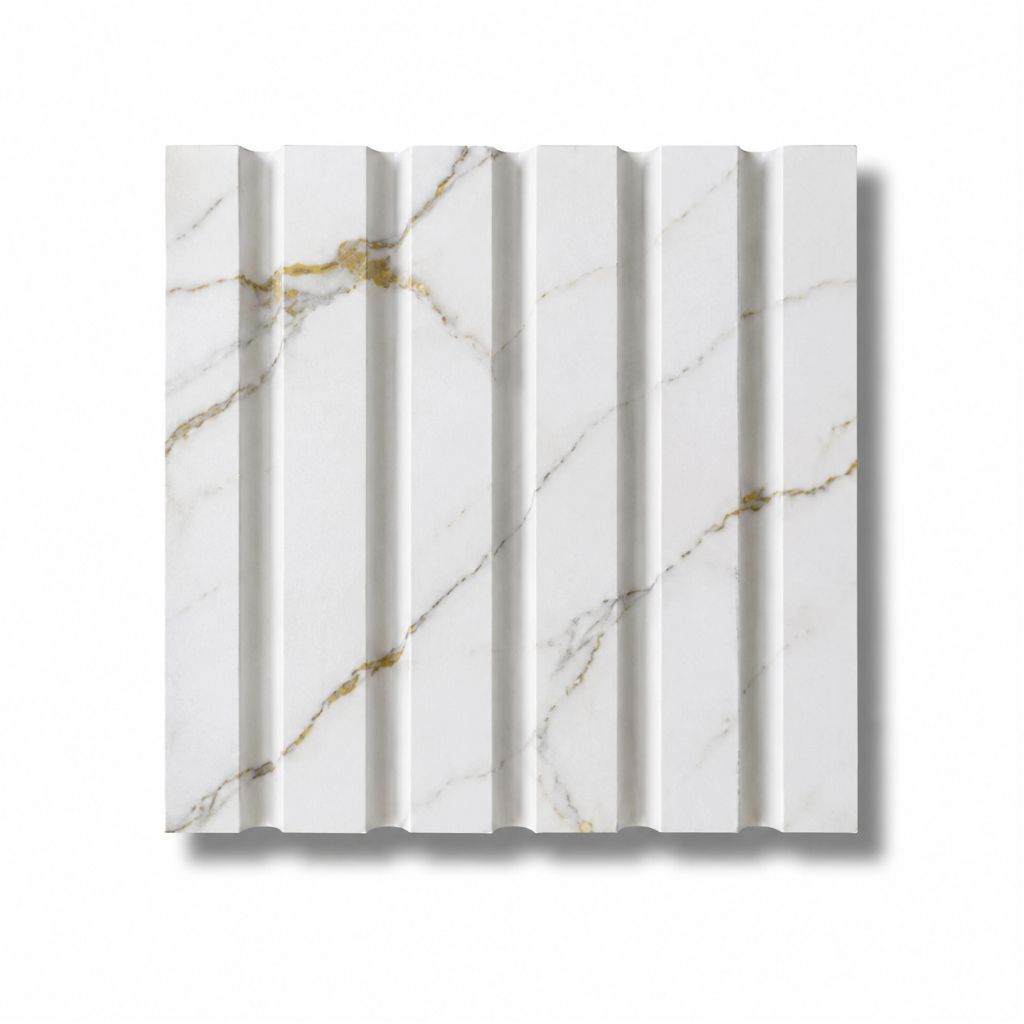
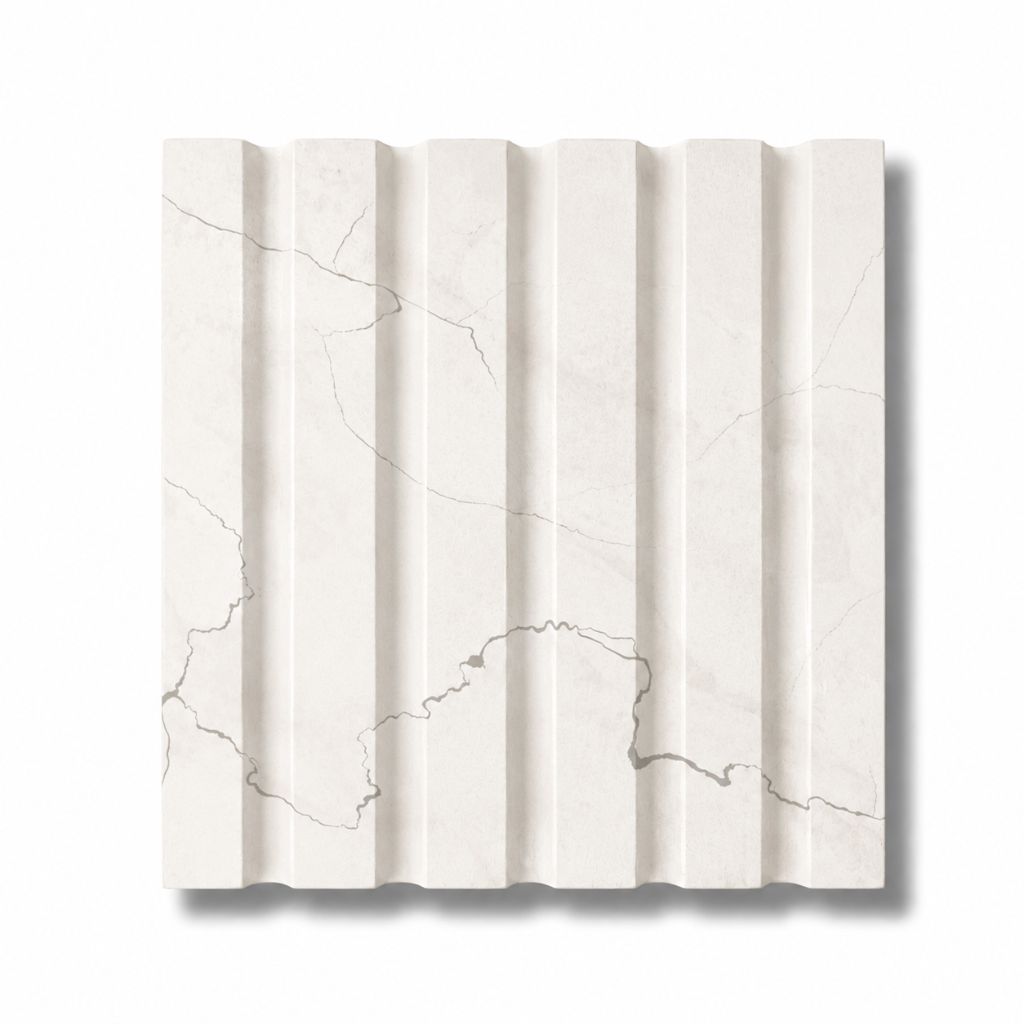
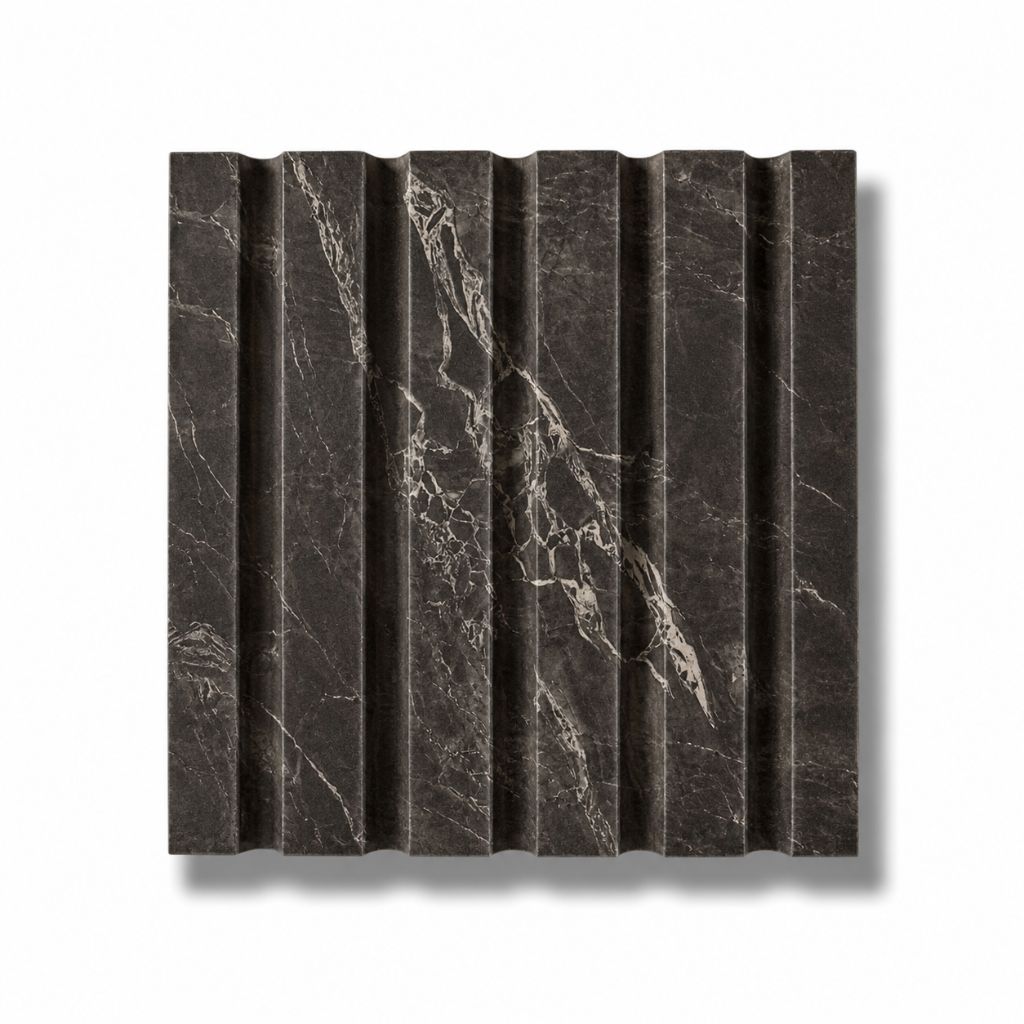
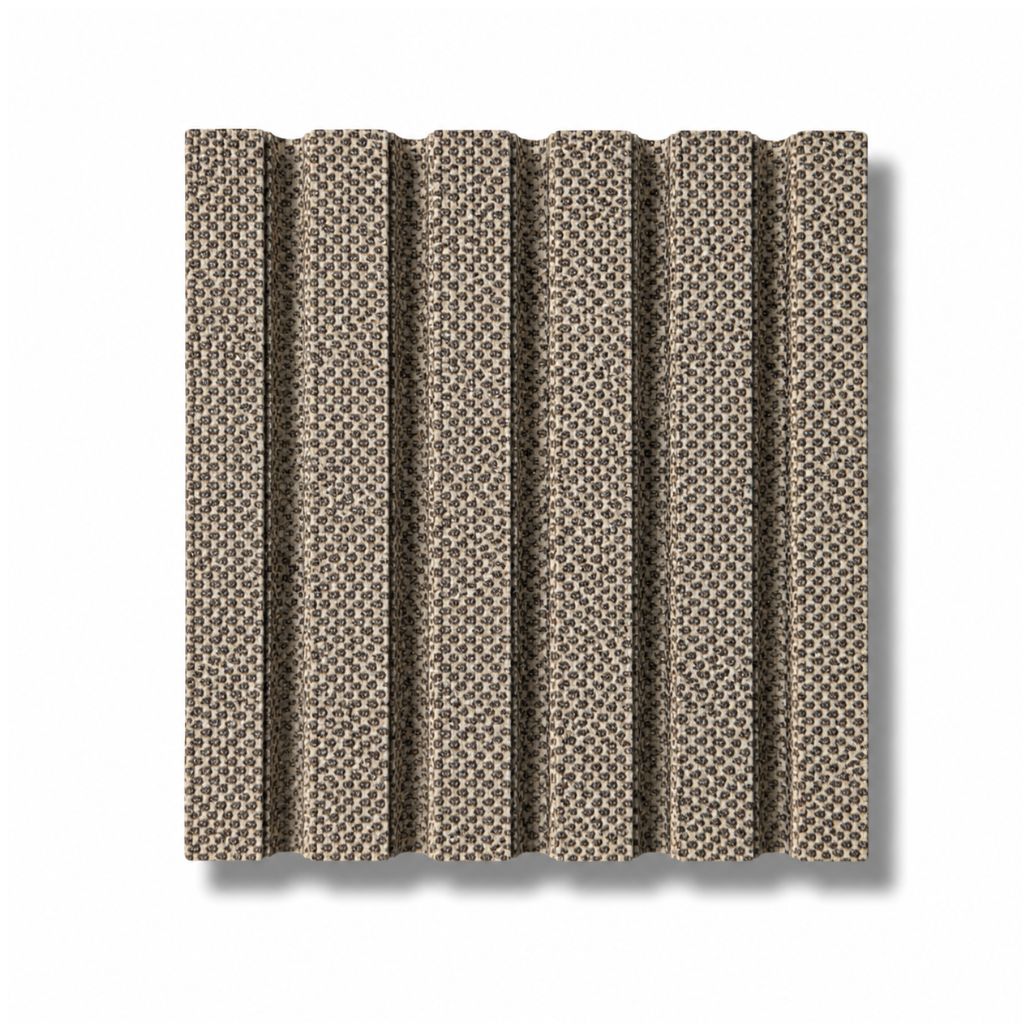
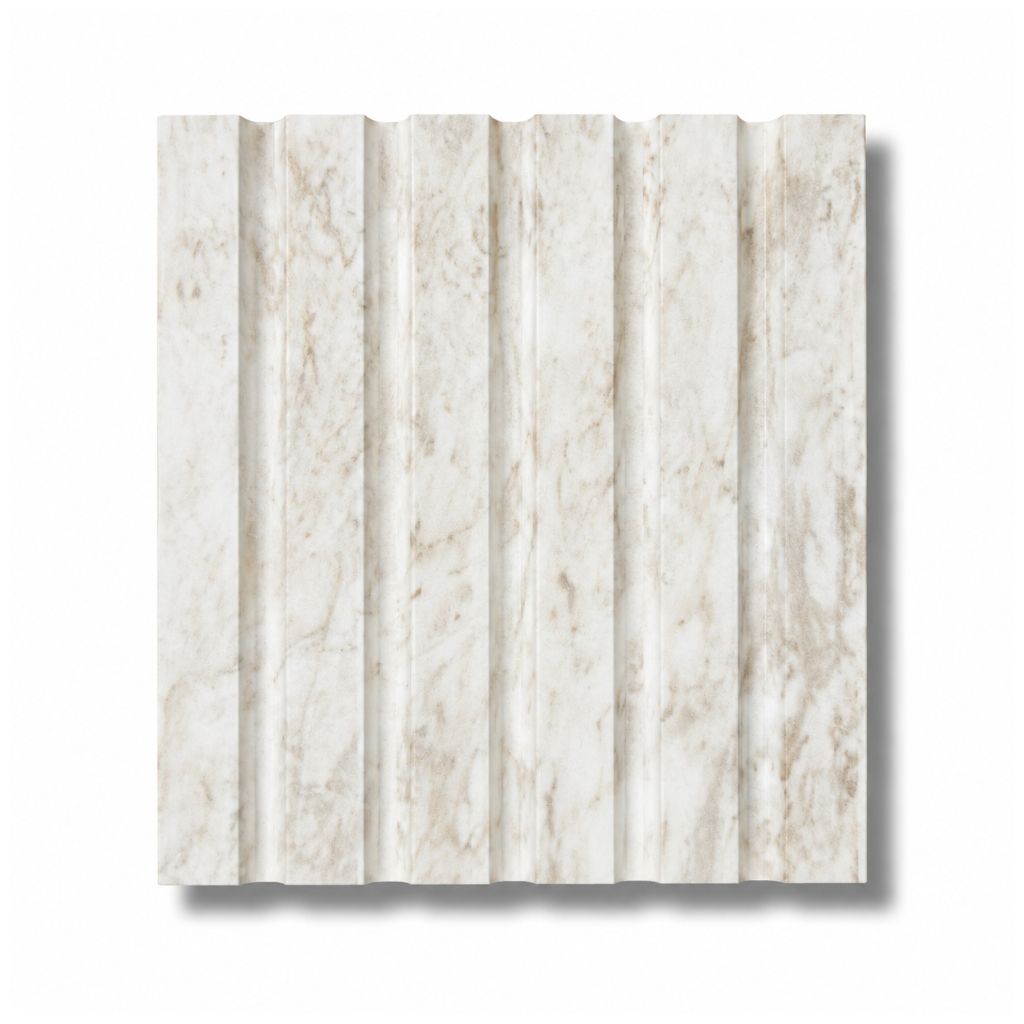
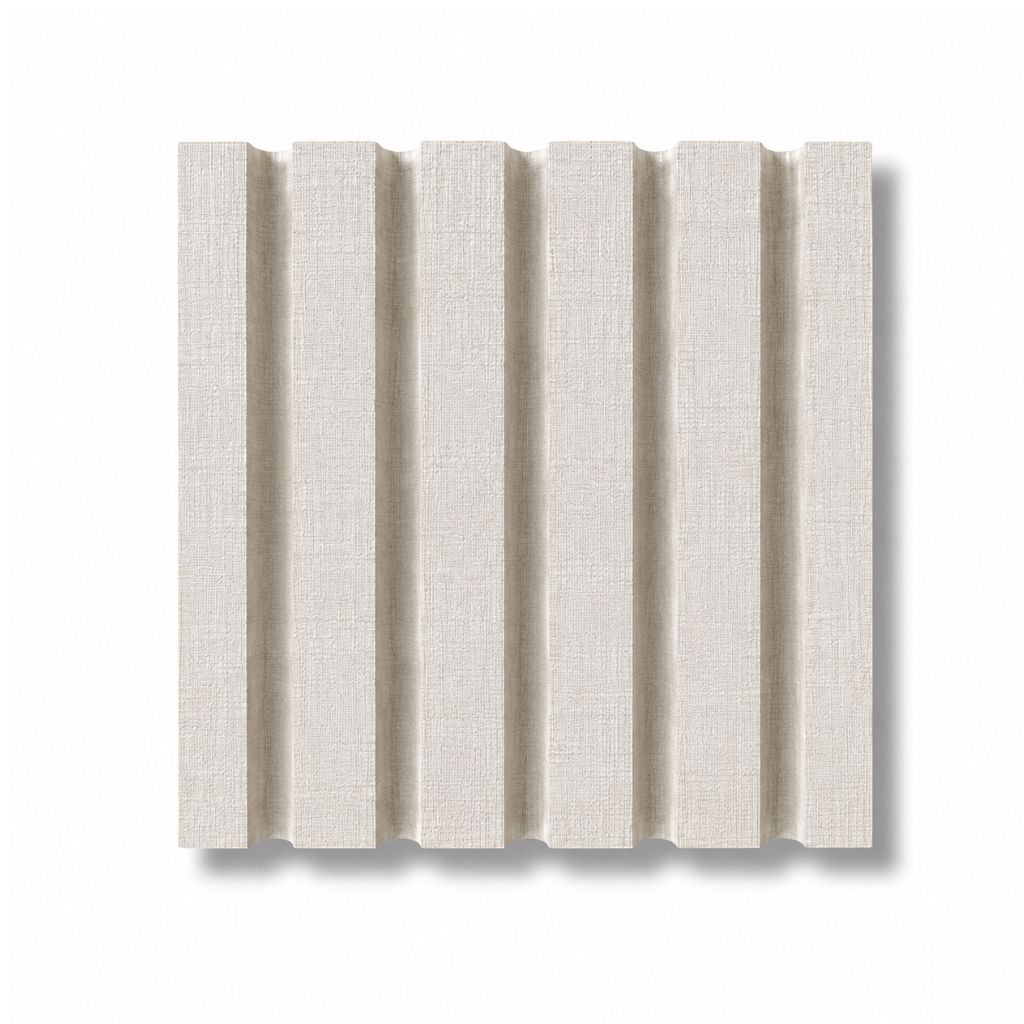
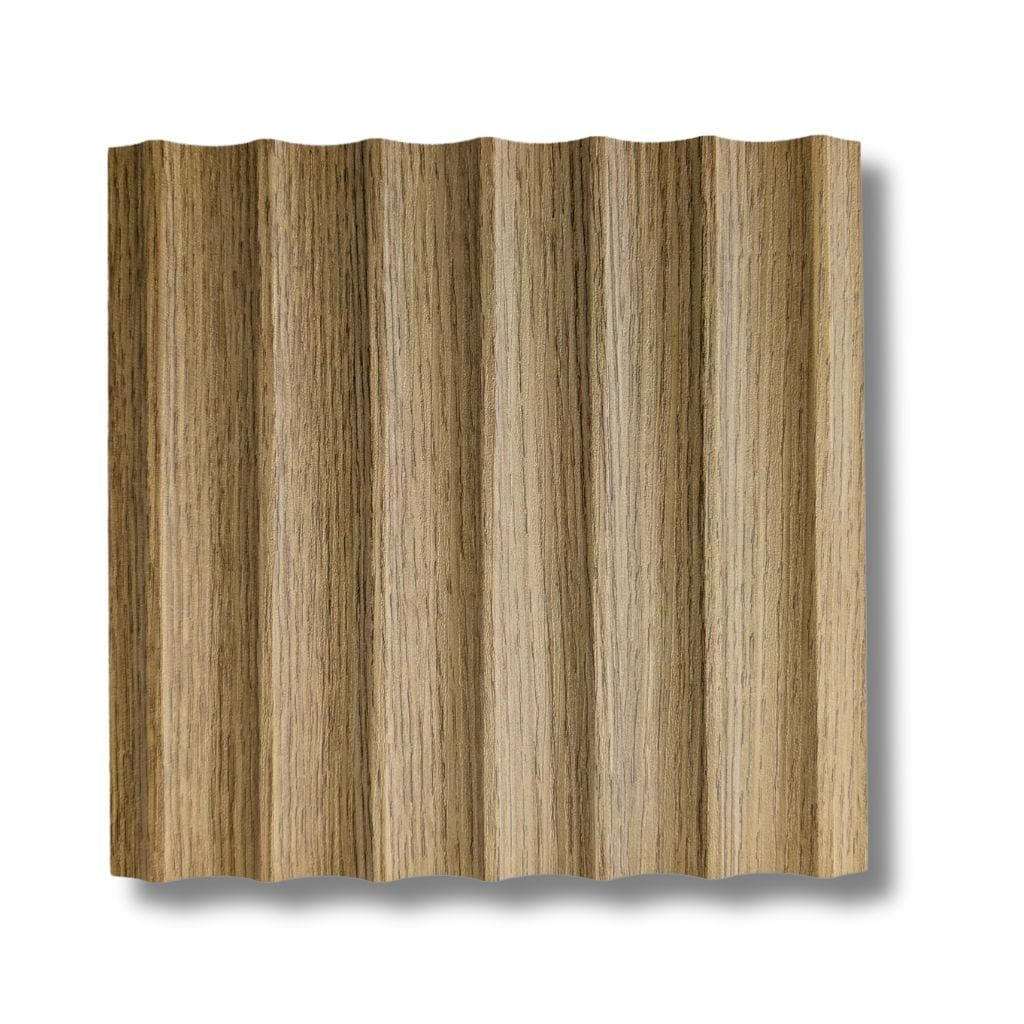
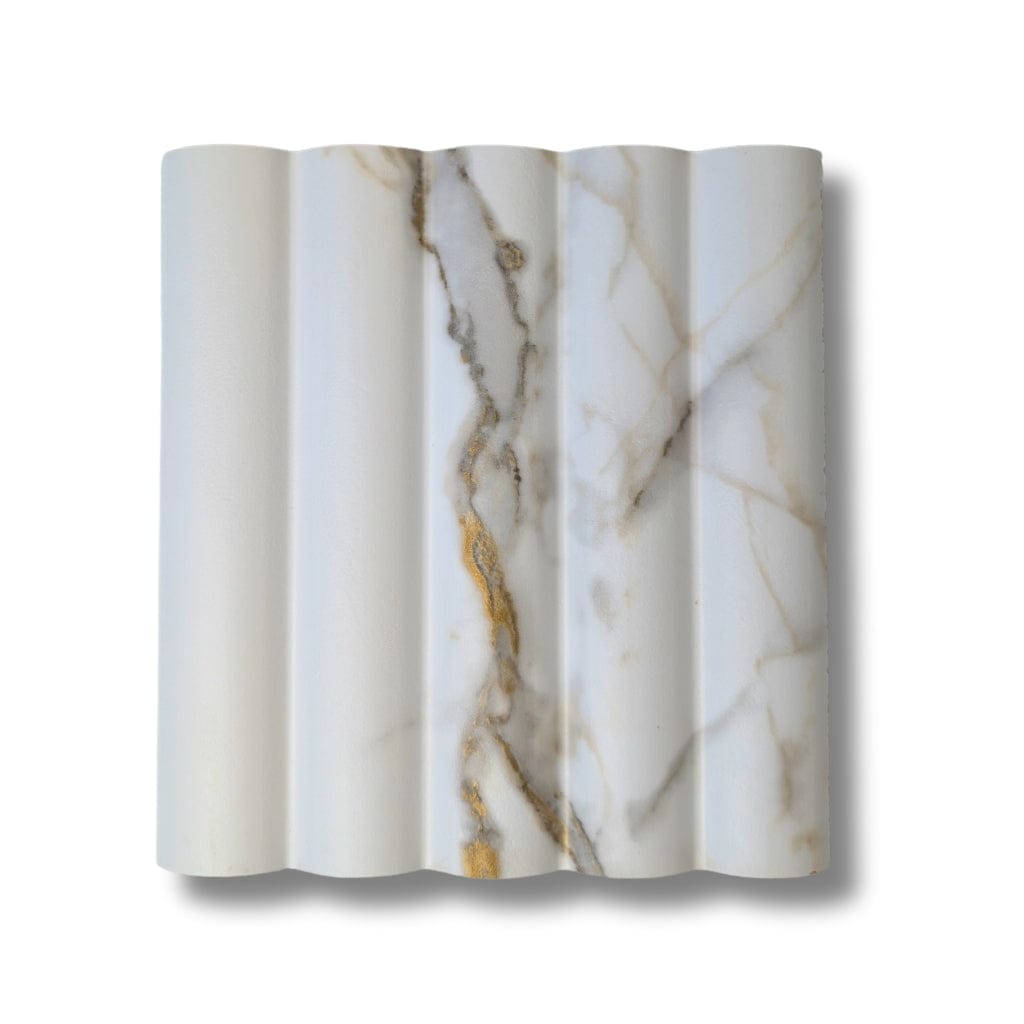
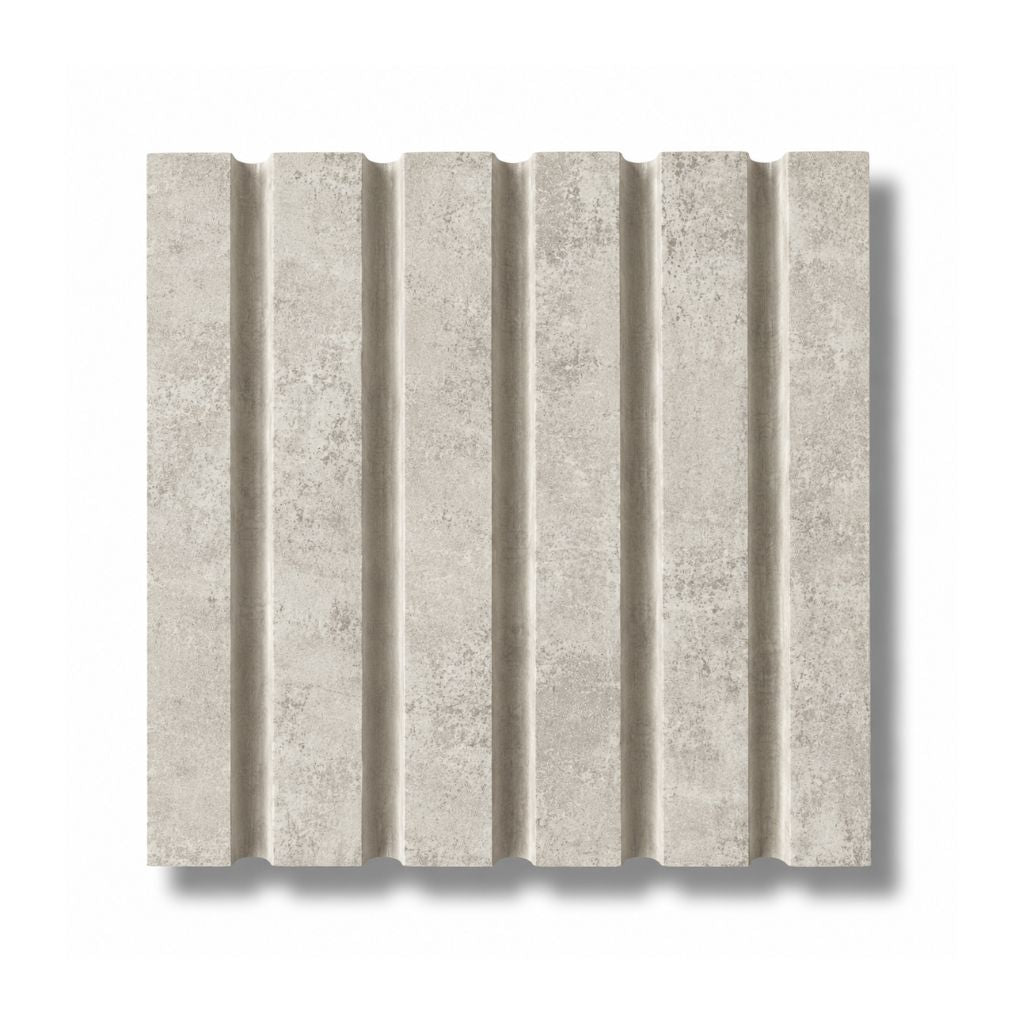
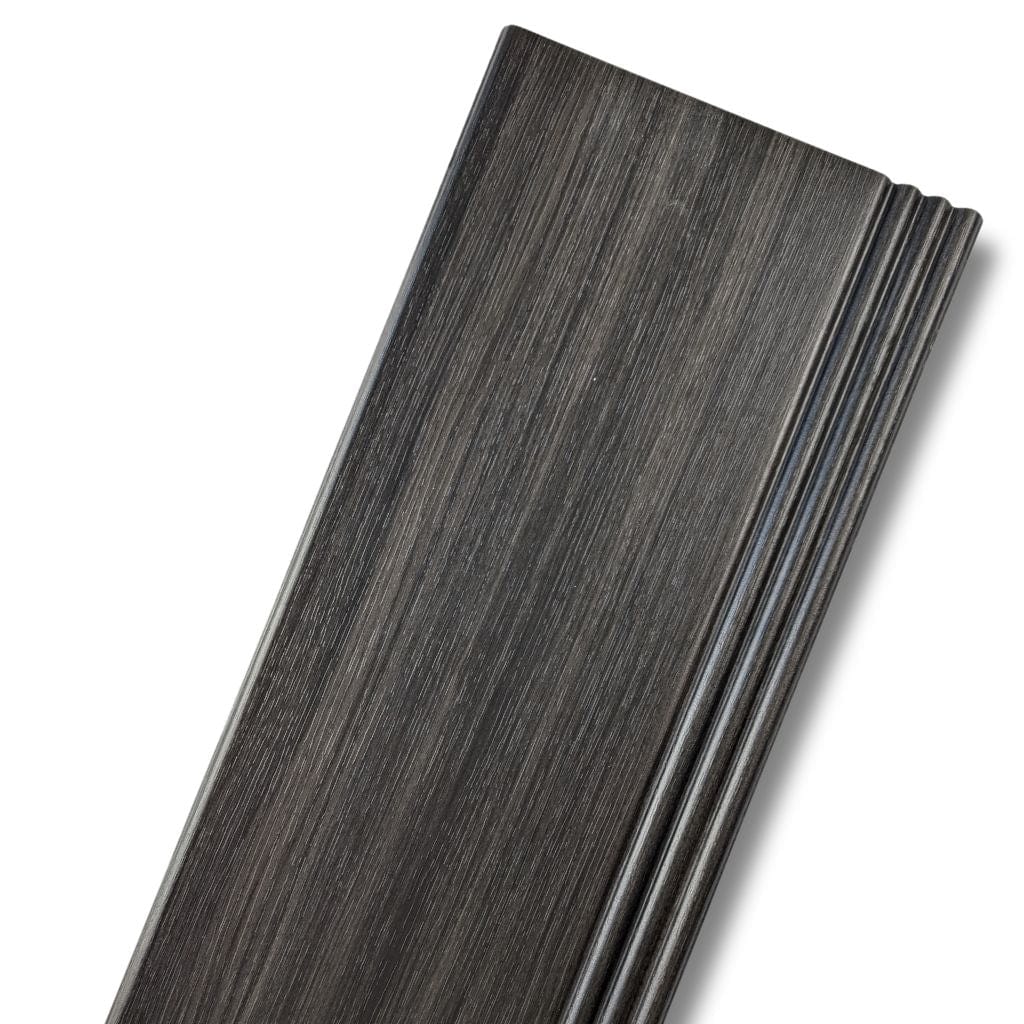
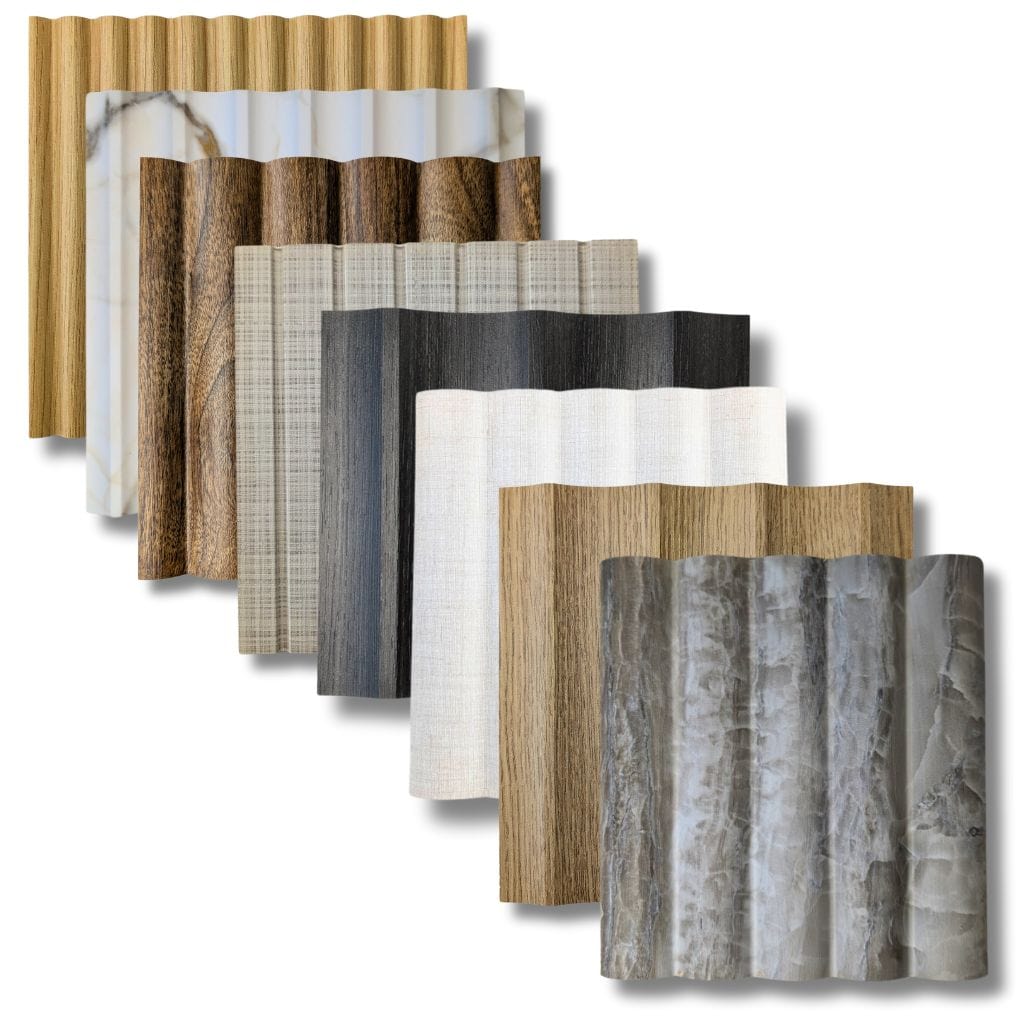
While fluted, reeded, and slatted wall panels do not function as traditional acoustic panels, their three-dimensional profiles can improve how sound behaves in a space—specifically through sound diffusion.
Flat Walls vs. Textured Walls: What’s the Difference?
Standard drywall creates a flat, uninterrupted surface. From an acoustic standpoint, this causes sound waves to reflect in a predictable, direct path.
Flat drywall:
- Reflects sound straight back into the room
- Contributes to echo and reverberation
- Can create harsh or “bouncy” acoustics
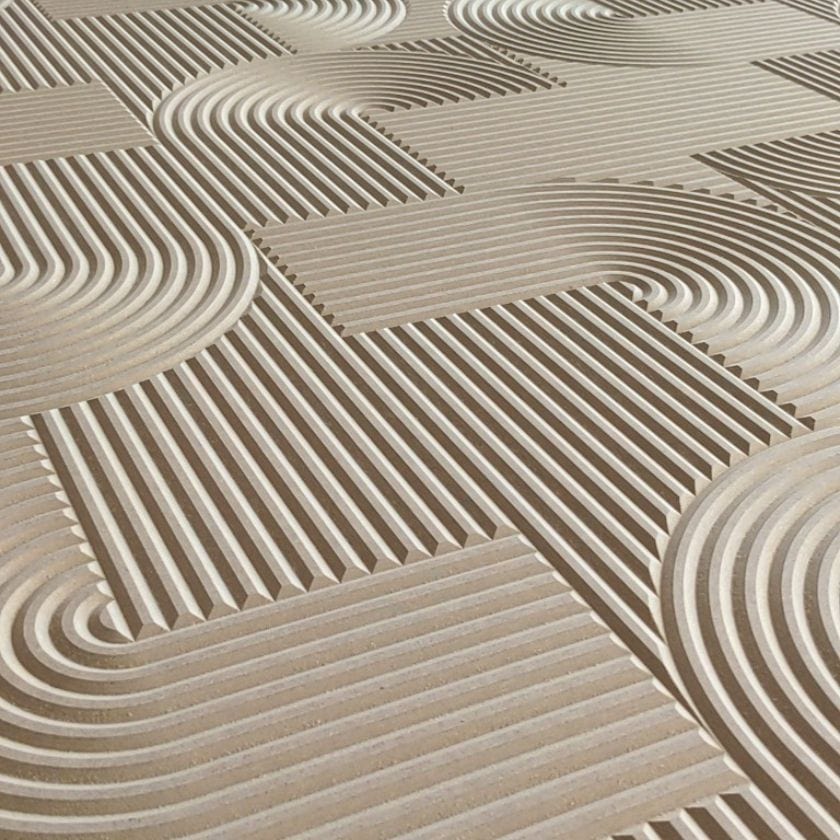
By contrast, 3D wall panels introduce depth and variation, which changes how sound interacts with the surface.
How Fluted, Reeded, and Slat Profiles Scatter Sound
The defining feature of 3D wall panels is their profile.
Fluted, reeded, and slatted designs create repeating vertical patterns that break up sound wave reflections.
What’s happening acoustically:
- Sound waves hit uneven surfaces instead of a flat plane
- Reflections are scattered in multiple directions
- This reduces the intensity of direct sound reflections
The result:
- Less sharp, harsh echo
- More balanced sound distribution
- Improved overall comfort in the space
This process is known as sound diffusion.
Diffusion vs. Absorption (Important Distinction)
This is where clarity matters most.
✅ What 3D wall panels do:
- Scatter sound (diffusion)
- Disrupt echo patterns
- Improve perceived acoustics
⚠️ What they do not do:
- Absorb significant sound
- Reduce overall noise levels dramatically
- Replace acoustic-rated materials
Because MDF and 3D laminate surfaces are dense and non-porous, they primarily reflect sound rather than absorb it.
Where This Makes a Noticeable Impact
While subtle, the effect of diffusion can meaningfully improve how a space feels.
Ideal applications:
- Office feature walls – reduce echo in open areas
- Reception areas – improve first impressions acoustically and visually
- Restaurants – soften harsh reflections without compromising design
- Retail environments – enhance the overall sensory experience
In these environments, even a small reduction in harsh reflections can elevate the perceived quality of the space.
Designing with Both Performance and Aesthetics in Mind
For projects where acoustics are a priority, the most effective approach is layered.
Best practice:
- Use 3D wall panels to introduce diffusion and visual texture
- Combine with:
- Soft materials (upholstery, rugs)
- Acoustic panels where needed
- Ceiling treatments for additional control
This allows designers to maintain a high-end aesthetic while improving acoustic comfort.
Why This Matters for Commercial Projects
In commercial spaces, perception matters.
Even when sound levels are similar, a space with diffused sound:
- Feels quieter
- Feels more comfortable
- Feels more intentional in its design
3D wall panels offer a way to address this—without sacrificing visual impact.
The Takeaway
Fluted, reeded, and slatted wall panels do not replace acoustic systems, but they do play a valuable role.
By scattering sound waves instead of reflecting them directly, they help:
- Reduce harsh echo
- Improve sound distribution
- Elevate the overall experience of a space
For architects and designers, this makes them a strategic addition to commercial interiors where both form and function matter.
Photo credit: MEDTECH